
Why the Subaru WRX Remains WA’s Favourite Performance Sedan
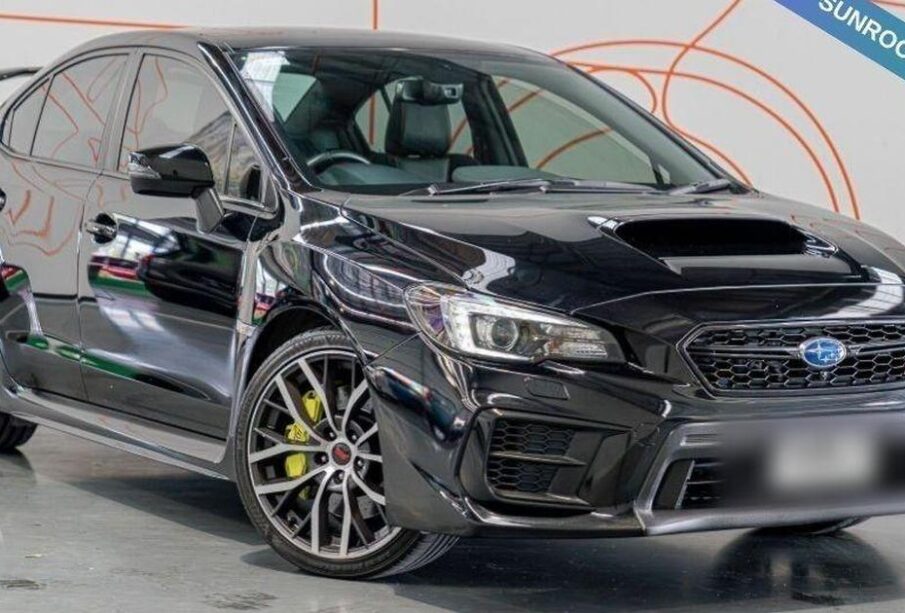
There’s a particular sound that turns heads on Perth’s freeways in the early morning — a distinctive, uneven burble from a flat-four engine that’s become instantly recognisable to car enthusiasts across the country. For decades, that sound has belonged to one of the most enduring performance nameplates in the Australian market, and interest in the Subaru WRX shows no sign of slowing down, even as the broader market shifts toward SUVs and electrification.
If you’re currently weighing up a Subaru WRX for sale in Perth, you’re looking at a car with a genuinely unique position in the market: a practical four-door sedan that also happens to be a proper performance machine. This article looks at what makes the WRX tick, what’s changed in recent generations, and what buyers should think about before taking the plunge.
A Brief History of a Rally-Bred Icon
The WRX nameplate emerged from motorsport, built to satisfy homologation requirements for World Rally Championship competition in the early 1990s. That rally DNA has never really left the car, even as it has evolved from a raw, turbocharged sedan into a more refined daily driver that still delivers serious performance when called upon.
What set the original cars apart — and what continues to define the model today — is the combination of a horizontally opposed “boxer” engine layout with permanent symmetrical all-wheel drive. This combination gives the car a notably low centre of gravity and even weight distribution, translating into handling characteristics that are difficult to replicate in a front-wheel-drive or even a conventional all-wheel-drive layout from competing brands.
What Makes the Driving Experience Distinctive
Ask any longtime WRX owner what keeps them coming back to the model, and the answer usually centres on the way the car feels rather than any single spec sheet number. The boxer engine’s flat layout means the car doesn’t lean or roll through corners the way many taller or top-heavy vehicles do, giving drivers a planted, confidence-inspiring feel even in challenging conditions.
The symmetrical all-wheel-drive system continuously sends power to all four wheels rather than switching between drive modes reactively, which matters enormously in Western Australia’s varied conditions — from wet winter mornings on the coastal roads to gravel tracks further out in the Hills or the Wheatbelt. Traction that’s dependable in the wet is a genuine safety advantage, not just a performance perk.
Turbocharging adds another layer to the experience. Modern WRX variants deliver strong mid-range torque, meaning overtaking on regional highways or merging onto the freeway doesn’t require winding the engine out to redline — the power is available exactly when you need it.
Comparing Trim Levels and Specifications
Buyers researching a WRX for sale in Perth will typically encounter a handful of trim levels, each targeting slightly different priorities. Entry-level variants focus on the core driving experience with a manual transmission option for purists who want full control over gear changes, while higher trims add adaptive suspension, upgraded brakes, and additional safety and infotainment technology.
The choice between manual and automatic transmissions is a genuinely personal one. Manual variants tend to appeal to enthusiasts who value direct engagement with the car, while automatic options — often paired with steering wheel paddle shifters — suit buyers who want performance credentials without the compromise of clutch work in daily peak-hour traffic.
It’s worth taking the time to compare specific trim inclusions carefully, since features like adaptive cruise control, lane-keep assist, and advanced driver monitoring vary noticeably between grades. For buyers who intend to use the car as a daily commuter as well as a weekend performance drive, these inclusions can meaningfully affect comfort and safety on longer trips.
New Versus Demo: What’s the Difference for a WRX Buyer?
New WRX vehicles come with the full manufacturer warranty and the latest specification updates, along with the ability to select your preferred colour and options from factory order in many cases. This suits buyers who have a clear picture of exactly what they want and are prepared to wait for the right build.
Demo vehicles, meanwhile, can represent strong value for buyers who are more flexible on colour or minor spec differences. These vehicles typically have low kilometres from dealership use and retain the majority of their factory warranty period, making them worth a serious look for anyone hoping to get behind the wheel of a WRX for sale in Perth sooner and at a more accessible price point.
Running Costs and Ownership Considerations
Performance vehicles have historically carried a reputation for higher running costs, and it’s a fair question to raise. Turbocharged engines generally require higher-octane fuel to perform as intended, and insurance premiums for performance-oriented sedans can run higher than for standard passenger vehicles, particularly for younger or less experienced drivers.
That said, many owners find that servicing costs are more manageable than expected when following the manufacturer’s recommended schedule, and fuel economy on turbocharged four-cylinder engines has improved considerably compared to older performance vehicles with larger, naturally aspirated engines. It’s worth obtaining an insurance quote before finalising your purchase decision, since premiums can vary significantly based on your age, driving history, and postcode.
Resale value is another point in the WRX’s favour. The model has built a loyal following over multiple generations, and well-maintained examples — particularly those with full service history and no signs of hard use — tend to hold their value better than many mainstream sedans in the same price bracket.
Safety Technology in Modern WRX Models
While the WRX is best known for performance, recent generations have placed considerable emphasis on driver assistance and safety technology. Features such as adaptive cruise control, lane departure warning, and automatic emergency braking are now widely available, bringing the safety credentials of the model closer in line with family-oriented vehicles rather than purely performance-focused competitors.
This matters for a growing segment of WRX buyers who use the car as a daily commuter and family vehicle, not solely a weekend enthusiast car. The combination of genuine performance capability with contemporary safety features is part of what continues to differentiate the model from many rivals in the segment, some of which sacrifice everyday usability for outright speed.
Financing a Performance Sedan
Financing options for a WRX are broadly similar to those for any new or demo vehicle, though it’s worth discussing your intended use with your lender or finance broker, particularly if insurance costs are a significant factor in your budgeting. Some buyers choose to bundle comprehensive insurance quotes into their overall cost comparison before finalising a loan amount, which gives a more accurate picture of the true monthly cost of ownership.
As with any vehicle purchase, comparing the total cost — including interest, insurance, registration, and anticipated servicing — provides a clearer basis for decision-making than focusing on the drive-away price alone. Buyers considering a Subaru WRX should factor in these ongoing costs early in the process rather than after the paperwork is signed.
Common Questions First-Time Performance Buyers Ask
Anyone moving from a standard passenger car into a performance sedan for the first time tends to have a similar set of questions, and it’s worth addressing a few of the most common ones directly.
Is a performance car harder to live with day to day? Not necessarily. Modern turbocharged performance sedans have come a long way from the raw, high-maintenance performance cars of previous decades. Ride comfort, cabin refinement, and low-speed drivability have all improved significantly, meaning you’re not sacrificing daily usability for weekend enjoyment the way you might have a generation or two ago.
Will I need to modify the car to enjoy it? Plenty of owners run their vehicles entirely in factory configuration and find the experience more than satisfying. The aftermarket scene around this nameplate is extensive if you do want to explore modifications later, but it’s entirely optional rather than a requirement to enjoy the car as intended.
How does it compare to a hot hatch in the same price range? This comes down to personal priorities. Hot hatches often offer sharper low-speed agility and slightly lower running costs, while a turbocharged AWD sedan typically offers superior wet-weather traction, a more substantial cabin, and — for many buyers — a more distinctive character on the road. Test driving both back to back is the best way to settle this question for yourself.
Test Driving Tips Specific to Performance Vehicles
Test driving a performance sedan requires a slightly different approach than test driving a standard commuter car. Beyond the usual checks — seating position, visibility, infotainment usability — it’s worth specifically assessing throttle response at low speeds, how the car transitions from a standing start, and how composed it feels through a series of quick direction changes if it’s safe and legal to do so on your test route.
Ask whether you can experience the car across a mix of road types, including a stretch of freeway to assess overtaking response and a series of corners to get a feel for body control and steering feedback. A short suburban loop alone won’t give you a realistic sense of what the car is capable of, and a reputable dealership should be comfortable accommodating a more comprehensive test drive for a vehicle in this category.
If you currently drive a naturally aspirated or non-turbocharged vehicle, give yourself time to adjust to the different power delivery during the test drive rather than forming a snap judgement in the first few minutes. Turbocharged power tends to build differently than a traditional engine, and it often takes a short adjustment period to fully appreciate the character of the drivetrain.
Who Is the WRX Really For?
The WRX occupies an interesting niche: it’s not a two-seat sports car, nor is it a purely practical family sedan. Instead, it serves buyers who refuse to choose between the two. Young professionals who want a genuinely engaging daily drive, enthusiasts who grew up admiring the model’s motorsport heritage, and even some families who prioritise all-weather traction and safety alongside driving enjoyment all find their way to this model.
It’s worth being honest with yourself about your priorities before buying. If outright practicality — such as SUV-level cargo space — is your primary concern, other models in the range may suit better. But if you want a genuinely fun car to drive on weekends that also handles the daily commute and school run without complaint, the WRX remains one of the few options that convincingly delivers both.
Final Thoughts
Few nameplates have maintained relevance across multiple decades the way the WRX has, and that longevity isn’t accidental. It reflects a consistent commitment to a specific formula — boxer engine, symmetrical all-wheel drive, and genuine performance character — that has resonated with Australian drivers since the model first appeared on local roads. For Perth buyers weighing up their next performance sedan, it’s a model that rewards careful comparison of trims, transmissions, and total ownership costs, but one that continues to earn its enthusiastic following for good reason.