
Top Auto Parts That Improve Fuel Efficiency and Engine Life
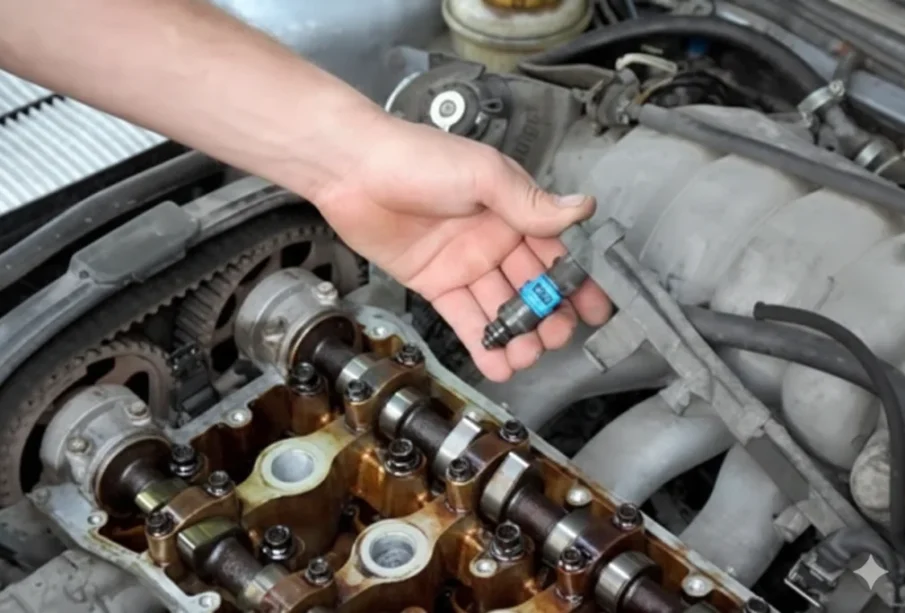
Optimizing vehicle performance requires shifting attention away from minor cosmetic additions and focusing heavily on the underlying mechanical systems. A vehicle operates as an interconnected ecosystem of precision components. When specific parts wear down or accumulate debris, they introduce subtle friction, imprecise measurements, and structural strain that systematically degrade both fuel economy and engine longevity.
Replacing or upgrading critical auto components before they fail preserves the optimal balance of air, fuel, and spark required for efficient combustion. By understanding which specific parts exert the greatest influence over operational efficiency, drivers can make targeted maintenance investments that yield clear dividends at the fuel pump while preventing premature engine wear.
The Intake System: Air Filters and Mass Airflow Sensors
An engine functions essentially as a large air pump. To generate mechanical power efficiently, it requires an unrestricted flow of clean, debris-free air. The components regulating this intake process represent the front line of defense for the entire powertrain.
Premium Engine Air Filters
The engine air filter strains out road dust, pollen, sand, and microscopic soot before the air enters the intake manifold. Over thousands of miles, the filtration medium traps a high volume of these particulates, causing the pores within the filter to become restricted.
A clogged air filter creates a localized vacuum that forces the engine to work significantly harder to draw in air. In older, carbureted vehicles, this restriction immediately drops fuel economy by up to ten percent. In modern vehicles equipped with computerized engine control modules, a restricted air filter limits total power output, forcing the transmission to stay in lower gears longer during acceleration, which drives up fuel consumption and increases mechanical wear on the piston rings and cylinder walls. Replacing a standard paper filter with a high-flow premium filter or a clean factory-standard unit ensures unhindered respiration and a sharper throttle response.
The Mass Airflow Sensor
Positioned just downstream from the air filter, the mass airflow sensor measures the precise volume and density of air entering the engine. It uses a tiny, electrically heated wire to calculate these metrics. If microscopic dust particles bypass a low-quality or damaged air filter, they can bake onto this hot wire, forming an insulating crust.
A contaminated mass airflow sensor miscalculates the true volume of air, frequently sending a signal to the computer that indicates less air is entering than there actually is. This causes the system to inject an incorrect amount of fuel, leading to incomplete combustion. This inefficiency results in unburnt fuel dumping into the exhaust system, accelerating catalytic converter failure while causing a rough idle and a major reduction in fuel economy. Cleaning or replacing this component restores precise data streams, protecting the engine from running dangerously lean or rich.
The Ignition System: Spark Plugs and Ignition Coils
Converting a mixture of fuel and air into usable mechanical energy requires a highly reliable, perfectly timed ignition source. Even microscopic delays or weak electrical arcs inside the combustion chamber cause immediate power drops and fuel wastage.
Iridium and Platinum Spark Plugs
Spark plugs provide the electrical arc that initiates the combustion stroke. As spark plugs age through millions of cycles, the sharp edges of their electrodes wear down, and the physical gap between the center and ground electrodes gradually widens.
A wider gap requires a significantly higher voltage from the vehicle electrical system to create a spark. If the voltage cannot bridge the gap, an engine misfire occurs. Even if a misfire is minor enough that the driver does not feel a distinct shudder, it causes completely unburnt gasoline to exit the cylinder. Upgrading to premium iridium or double-platinum spark plugs is highly beneficial. These metals possess exceptionally high melting points and resist electrical erosion, maintaining a precise gap across one hundred thousand miles. This longevity guarantees complete fuel combustion, which preserves fuel economy and prevents unburnt fuel from washing away lubricating oil films inside the cylinders.
Advanced Ignition Coils
Modern vehicles utilize a coil-on-plug design, where an individual ignition coil sits directly atop each spark plug. These coils transform the low voltage of the vehicle battery into the tens of thousands of volts necessary to fire the plugs.
As ignition coils age, their internal copper windings break down due to constant engine heat cycle exposure. Weakening coils deliver a low-energy spark that slows down the flame front propagation inside the combustion chamber. This slow burn means the maximum pressure from combustion occurs too late in the stroke, forcing the driver to press the accelerator pedal down further to maintain highway speeds. Replacing weakening or failing coils ensures a hot, crisp spark that extracts maximum kinetic energy from every drop of fuel.
The Exhaust System: Oxygen Sensors and Catalytic Converters
The efficiency of an engine is heavily dictated by how accurately it monitors its own waste products. The vehicle exhaust system houses sensitive monitoring equipment that serves as a vital feedback loop for the fuel injection computer.
Upstream Oxygen Sensors
The upstream oxygen sensor sits inside the exhaust manifold, continuously measuring the amount of unburnt oxygen remaining in the exhaust gas. The engine computer relies on this real-time data to adjust the pulse width of the fuel injectors, continuously fine-tuning the air-to-fuel ratio.
Over time, oxygen sensors become coated in silica, carbon, and oil ash, which slows down their voltage response time. A sluggish oxygen sensor delays the computer ability to adjust the fuel mixture. When an oxygen sensor gets old, the computer defaults to a rich safety map, injecting an excessive amount of fuel to prevent engine damage from running lean. This rich default state can reduce fuel mileage by up to fifteen percent. Replacing a worn oxygen sensor at one hundred thousand miles stabilizes the fuel injection map, keeping fuel consumption at factory-original specifications.
High-Efficiency Catalytic Converters
While a catalytic converter is primarily designed to minimize harmful emissions, its structural condition heavily influences engine longevity. An internal engine issue, such as burning oil or using low-grade fuel, can cause the ceramic honeycomb structure inside the converter to melt or become restricted.
A clogged catalytic converter creates severe exhaust backpressure. This backpressure prevents the engine from expelling exhaust gases completely during the exhaust stroke, leaving residual hot gas inside the cylinder. This residue dilutes the incoming fresh air-fuel mixture for the next cycle, causing a severe drop in engine power, high operating temperatures, and immense structural strain on the exhaust valves. Installing a clean, high-flowing catalytic converter eliminates this backpressure, allowing the engine to pump freely and cool efficiently.
The Fuel and Lubrication Systems: Fuel Injectors and Oil Filters
Ensuring clean fluids and precise fuel delivery is the final pillar of maximizing fuel economy and preventing interior mechanical component degradation.
Multi-Port and Direct Fuel Injectors
Fuel injectors atomize gasoline into a fine mist before it is compressed and ignited. Modern direct-injection systems operate under immense pressure to deliver fuel directly into the combustion chamber with microsecond precision.
If fuel filters are ignored, or if low-quality fuel lacking detergent additives is used, microscopic varnishes clog the tiny spray nozzles of the injectors. Instead of a fine, wide mist, the injector begins to shoot a solid stream of raw fuel. This stream does not mix well with air, leading to a slow, uneven burn. Furthermore, a solid stream of liquid fuel washes away the vital motor oil coating the cylinder walls, leading to rapid piston ring wear and severe oil dilution. Replacing or professionally servicing dirty injectors preserves proper spray atomization, which protects the physical integrity of the cylinder bores.
High-Capacity Synthetic Oil Filters
While motor oil keeps internal components lubricated, the oil filter determines how long that oil remains effective. An oil filter captures metal shavings, carbon soot, and dirt particles that are suspended in the oil stream.
Standard, low-cost oil filters utilize cellulose paper elements that degrade quickly and can clog before the oil change interval is complete. When an oil filter clogs completely, a pressure-regulated bypass valve opens to prevent total oil starvation, allowing unfiltered oil to circulate through the engine. This abrasive oil quickly wears flat the camshaft lobes and crankshaft bearings. Upgrading to a high-capacity filter featuring a synthetic blend media ensures that the oil remains clean and the bypass valve stays closed, preserving the close-tolerance bearings that dictate engine lifespan.
Frequently Asked Questions
How does a failing engine thermostat directly reduce a vehicle fuel efficiency?
An engine thermostat regulates the flow of coolant to ensure the engine quickly reaches and maintains its optimal operating temperature, usually between one hundred ninety and two hundred fifteen degrees Fahrenheit. If a thermostat becomes stuck open, coolant constantly circulates through the radiator, preventing the engine from reaching this efficient operating zone. To compensate for a cold engine, the engine computer continuously runs in a warm-up mode, injecting excess fuel to keep the engine from stalling. This prolonged warm-up phase dramatically increases fuel consumption and causes unburnt fuel to dilute the engine oil.
What role does the serpentine belt play in maintaining fuel economy and overall engine health?
The serpentine belt transfers mechanical power from the engine crankshaft pulley to drive vital accessories, including the alternator, water pump, and power steering pump. As a serpentine belt stretches, cracks, or loses its internal tensioner pressure, it begins to slip across the accessory pulleys. This slippage creates parasitic mechanical drag and reduces the efficiency of the alternator, forcing the engine to work harder to maintain electrical voltage. More critically, if the belt slips on the water pump pulley, coolant flow slows down, creating dangerous localized hot spots inside the engine cylinder head.
How do worn out variable valve timing solenoids affect both power and fuel efficiency?
Variable valve timing solenoids use oil pressure to adjust the timing of the intake and exhaust valves based on engine speed and load. At high speeds, the solenoids advance the timing for maximum power, while at highway cruising speeds, they optimize timing to maximize fuel economy and reduce pumping losses. When these solenoids become clogged with oil debris or suffer electrical degradation, they fail to adjust the camshaft positions. This causes the engine to get stuck in a single timing profile, resulting in sluggish low-end torque, high fuel consumption at highway speeds, and increased emissions.
Can a faulty fuel pressure regulator shorten engine life even if the vehicle seems to drive fine?
Yes. A fuel pressure regulator ensures that the fuel rail maintains a constant, specified pressure relative to the intake manifold pressure. If the internal diaphragm of the regulator ruptures, fuel pressure can spike dramatically or drop too low. Excessively high pressure forces too much fuel through the injectors, causing the engine to run very rich. This extra fuel washes the protective lubricating oil off the cylinder walls, leading to rapid metal-on-metal wear between the pistons and cylinders, which permanently reduces engine compression and significantly shortens its operating lifespan.
Why is the replacement of a cabin air filter completely unrelated to engine fuel efficiency?
The cabin air filter is entirely separate from the engine air intake system. It is located behind the vehicle glovebox or under the exterior cowl, and its sole purpose is to filter the air entering the interior passenger cabin through the heating, ventilation, and air conditioning vents. While a clogged cabin air filter will restrict airflow to the passengers, strain the blower motor, and cause interior odors, it has absolutely no connection to the engine combustion chamber and does not affect fuel consumption or engine mechanical durability.
How does an unaddressed exhaust manifold leak negatively impact engine feedback sensors?
An exhaust manifold leak allows fresh, oxygen-rich outside air to be drawn into the exhaust stream through a venting crack or a damaged gasket due to pressure pulses. This extra outside air flows directly past the upstream oxygen sensor, causing the sensor to falsely report that the engine is running extremely lean. In response to this incorrect data, the engine computer injects an excessive amount of fuel into the cylinders. This unneeded fuel lowers fuel economy significantly, coats the spark plugs in black soot, and can overheat the catalytic converter to its failure point.