
Essential Engine Care Habits for Better Vehicle Performance
The internal combustion engine is a marvel of mechanical engineering, containing hundreds of rapidly moving parts operating under extreme heat and pressure. For many drivers, the engine is a black box that requires attention only when a warning light illuminates on the dashboard. However, waiting for a mechanical failure to occur before addressing engine health is an inefficient and risky approach to vehicle ownership.
True vehicle performance is not just about raw horsepower or acceleration capabilities. It encompasses throttle responsiveness, fuel efficiency, idle smoothness, and long-term mechanical reliability. Developing proactive engine care habits alters the trajectory of a vehicle lifespan. By implementing a few disciplined, data-driven maintenance practices, drivers can ensure their powertrain operates at peak thermodynamic efficiency while safeguarding the vehicle against premature mechanical degradation.
Prioritizing the Engine Bloodline: Advanced Lubrication Habits
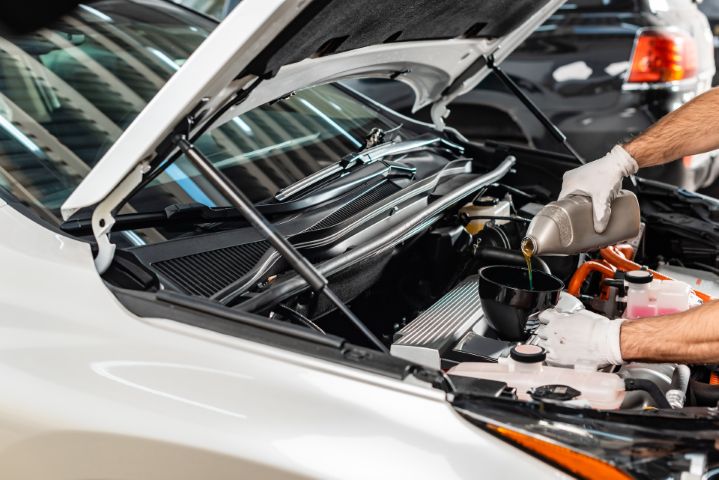
Engine oil serves as the primary defense mechanism against internal friction and thermal destruction. Within an operating engine, metal surfaces pass by each other at high velocities. Without a micro-thin layer of lubricating oil separating these components, the intense friction would generate enough heat to weld moving parts together, causing a catastrophic engine seizure.
To achieve superior engine performance, a driver must move beyond simply changing the oil when the dashboard reminder appears. High-performance engine care requires a closer look at lubricant selection and scheduling parameters.
Transitioning to Full Synthetic Lubricants
While conventional motor oil provides basic lubrication, full synthetic oils offer superior molecular consistency. Synthetic lubricants are engineered at a molecular level to resist thermal breakdown under extreme operating temperatures. They maintain a stable viscosity when the engine is running hot, ensuring consistent protection.
Furthermore, synthetic oils flow much more efficiently in freezing conditions, reducing critical wear during cold starts, which is when a significant percentage of lifetime engine wear occurs.
Monitoring and Adjusting for Driving Conditions
The standard advice to change oil every five thousand to ten thousand miles is a generalized baseline that does not account for individual driving habits. Drivers should evaluate whether their daily habits qualify as severe operating conditions, which include:
-
Frequent short trips under five miles where the engine never reaches its optimal operating temperature.
-
Prolonged periods of engine idling, such as sitting in heavy stop-and-go metropolitan traffic.
-
Towing heavy trailers, carrying maximum cargo loads, or driving frequently in dusty, arid environments.
If these conditions describe a daily commute, the engine oil degrades much faster due to moisture accumulation and fuel dilution. Under severe conditions, shortening the oil change interval preserves engine compression and prevents the formation of restrictive carbon sludge.
Optimizing the Engine Respiratory System
An internal combustion engine requires a massive volume of clean air to burn fuel efficiently. The ideal stoichiometric ratio for a standard gasoline engine is roughly fourteen point seven parts of air to one part of fuel by weight. If the engine intake system is restricted or contaminated, performance drops immediately.
Maintaining the Barrier Against Airborne Particulates
The engine air filter is the sole component preventing dust, sand, road debris, and pollen from entering the combustion chambers. If these abrasive particles bypass the filter, they act like sandpaper against the cylinder walls and piston rings, permanently reducing engine compression.
A clogged air filter restricts airflow, forcing the engine control module to adjust the fuel mixture. This restriction creates a rich condition where the engine burns excessive fuel to compensate for the lack of oxygen. This inefficiency leads to sluggish acceleration, rough idling, and increased emissions. Checking the air filter every six months and replacing it immediately when it shows gray discoloration restores unrestricted breathing and immediate throttle response.
Inspecting the Intakes and Vacuum Lines
Over time, rubber vacuum lines and intake boots can develop dry rot, cracks, or loose connections. These leaks allow unmetered air to enter the engine behind the mass airflow sensor. This unmetered air confuses the engine computer, causing a lean condition that triggers engine misfires, rough idling, and a noticeable loss of power under acceleration. Visually inspecting the air intake tract during routine oil changes prevents these performance drops before they trigger dashboard warning lights.
Thermal Management and Cooling System Discipline
The combustion process generates temperatures that exceed two thousand degrees Fahrenheit inside the cylinders. Only about one-third of this thermal energy is converted into kinetic energy to move the vehicle. The remaining heat must be dissipated through the exhaust and the cooling system. If the cooling system fails, structural engine damage occurs within minutes.
Fluid Chemical Integrity Analysis
Coolant is not just water; it is a blend of ethylene or propylene glycol mixed with chemical corrosion inhibitors. These inhibitors prevent the accumulation of scale, rust, and mineral deposits inside the narrow cooling passages of the engine block and radiator.
As coolant ages, it becomes acidic, losing its protective properties. Acidic coolant eats away at internal water pump seals and aluminum components, creating tiny leaks. Periodically checking the pH level of the coolant or performing a complete system flush according to the factory timeline prevents hot spots within the cylinder head, keeping engine operating temperatures perfectly stable.
The Critical Function of the Thermostat
The thermostat acts as a gatekeeper, regulating the flow of coolant based on engine temperature. If a thermostat becomes partially stuck open, the engine will take too long to reach its optimal operating temperature. Running an engine cold causes the fuel to condense on cylinder walls, washing away vital oil films and increasing internal friction. Conversely, a thermostat that sticks shut stops coolant flow entirely, leading to catastrophic overheating that cracks cylinder heads. Replacing the thermostat proactively when servicing other cooling components ensures the engine stays in its optimal performance window.
Fuel System Cleanliness and Spark Efficiency
To maintain crisp throttle response and smooth power delivery, the fuel delivery system and ignition system must work in perfect synchronization. Modern direct-injection engines are highly sensitive to microscopic deposits that disrupt the precision of the fuel spray pattern.
Maintaining Fuel Injector Geometry
Fuel injectors spray gasoline at incredibly high pressures through microscopic orifices to atomize the fuel into a fine mist. When the engine is turned off, residual heat causes small amounts of fuel to bake onto the injector tips, forming hard carbon deposits.
These deposits distort the spray pattern, turning a fine mist into an uneven stream. This poor atomization leads to incomplete combustion, hesitations during acceleration, and reduced fuel economy. Using high-quality fuel that contains detergent additives or applying a dedicated fuel system cleaner to the fuel tank once a year keeps the injector tips clean and maintains optimal fuel atomization.
Spark Plug Maintenance and Ignition Consistency
Spark plugs must provide a strong, perfectly timed spark hundreds of times per minute in each cylinder. As spark plugs age, the metal electrodes slowly erode, widening the gap that the electrical spark must jump across.
A wider gap requires higher voltage from the ignition coils. Over time, this strain can cause the coils to overheat and fail, resulting in distinct engine misfires. Replacing spark plugs at the specified mileage interval ensures complete combustion, preventing unburnt fuel from damaging the catalytic converter and maintaining maximum power output.
Frequently Asked Questions
Why does an engine idle roughly when the air conditioning is turned on, and how does maintenance fix this?
When the air conditioning is activated, the engine must turn a heavy mechanical compressor, placing an immediate structural load on the powertrain. To prevent the engine from stalling, the engine control module uses an idle air control valve or an electronic throttle body to slightly increase airflow and maintain a smooth idle speed. If the throttle body is coated in carbon sludge or the idle valve is sticky, the engine cannot adjust quickly enough to handle the extra load, resulting in a rough, vibrating idle. Cleaning the throttle plate with a specialized solvent removes these deposits and restores a smooth idle under load.
What is the function of the positive crankcase ventilation valve and how does it impact engine performance?
During the combustion stroke, a small amount of high-pressure exhaust gas blows past the piston rings into the engine crankcase. This gas contains unburnt fuel and moisture. The positive crankcase ventilation valve routes these harmful vapors out of the crankcase and back into the intake manifold to be cleanly burned in the engine. If this valve becomes clogged with oil sludge, pressure builds up inside the engine crankcase. This excessive pressure forces engine oil past gaskets and seals, causing severe oil leaks, while also causing poor idle quality and increased oil consumption.
How do worn engine mounts affect the overall performance and driving experience of a vehicle?
Engine mounts are structural components made of steel and heavy rubber designed to secure the engine to the vehicle frame while absorbing the intense vibrations produced by internal combustion. Over time, the rubber inside these mounts cracks, tears, or leaks fluid. While worn mounts do not reduce internal horsepower, they allow the engine to physically shift during acceleration and shifting. This movement distorts the alignment of the drivetrain, causes harsh vibrations to transfer directly into the passenger cabin, and can damage exhaust pipes and wiring harnesses due to excessive engine movement.
Why does a vehicle lose engine power when driving up steep mountain inclines or at high altitudes?
As altitude increases, atmospheric pressure drops, meaning the air becomes less dense and contains fewer oxygen molecules per cubic foot. Because an internal combustion engine relies entirely on atmospheric pressure to draw air into the cylinders, it receives less oxygen at high elevations. The engine computer automatically reduces the amount of fuel injected to match this thinner air, resulting in a natural drop in total power output. Ensuring your engine air filter is perfectly clean and your spark plugs are performing efficiently minimizes this altitude power loss by maximizing the efficiency of the available air.
Can an old or weak car battery cause the engine to suffer from poor performance while driving?
Yes. Modern vehicles rely heavily on complex electronic sensor networks, electric fuel pumps, and computer modules to regulate engine performance in real time. While the alternator generates electrical power once the engine is running, a failing battery with internal resistance issues places a continuous, heavy electrical load on the alternator. This strain forces the alternator to draw more mechanical power from the engine via the serpentine belt, subtly reducing fuel efficiency and throttle response, while also causing unstable voltage signals that can confuse sensitive engine sensors.
What is the purpose of the engine harmonic balancer and what happens if it begins to fail?
The harmonic balancer is a heavy metal disc with a rubber dampening ring attached to the front of the engine crankshaft. Every time a cylinder fires, a massive amount of torsional force is applied to the crankshaft, causing microscopic twisting and destructive vibrations. The harmonic balancer absorbs these harmonic vibrations, preventing the crankshaft from cracking due to metal fatigue. If the rubber dampening ring degrades and separates, the engine will experience severe internal vibrations that can quickly destroy the main crankshaft bearings and cause the main accessory drive belt to fly off the pulley system.