
The Ultimate Guide to Car Repair and Preventive Vehicle Maintenance
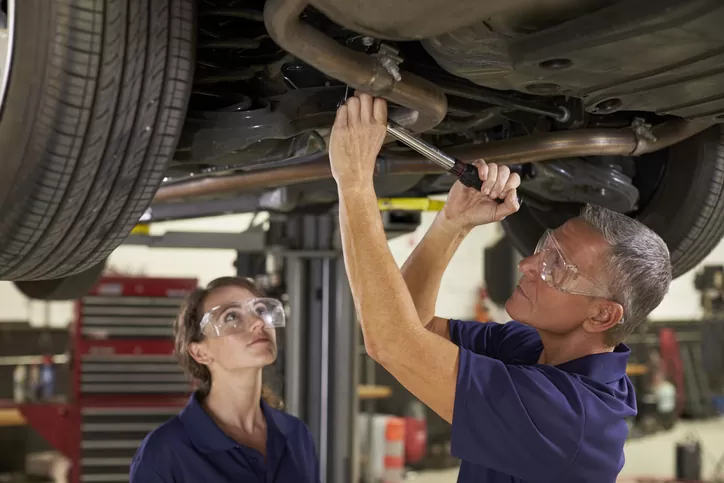
Owning a vehicle provides an unmatched level of personal freedom and daily convenience, but it also carries a significant amount of financial and mechanical responsibility. For many drivers, automotive care is entirely reactive. They turn the ignition key, expect the machine to function flawlessly, and only seek professional mechanical assistance when the vehicle breaks down on the side of the road or a bright red warning light illuminates the dashboard.
This reactive approach to vehicle ownership is fundamentally flawed and financially draining. A modern automobile is a highly complex network of interconnected mechanical, electrical, and hydraulic systems operating under extreme physical stress. Waiting for a component to fail before addressing it inevitably leads to a cascading domino effect, where a minor, inexpensive issue rapidly destroys major, costly sub-assemblies. Shifting to a proactive philosophy centered around systematic preventive vehicle maintenance is the single most effective way to optimize vehicle performance, ensure operational safety, and maximize the lifespan of your automotive investment.
The Foundations of Fluid Management and Chemistry Preservation
Every motorized vehicle relies on a variety of highly specialized chemical fluids to lubricate moving parts, dissipate intense thermal energy, and transmit hydraulic pressure. These fluids operate in harsh environments and suffer from chemical degradation over time. Monitoring and replacing these fluids at factory-recommended intervals is the absolute cornerstone of effective preventive maintenance.
Motor Oil: The Lifeline of Internal Combustion
Motor oil forms a microscopic barrier between rapidly moving metal surfaces inside the engine block, including pistons, connecting rods, and camshafts. Without this continuous film of lubrication, the friction generated by metal-on-metal contact would produce enough thermal energy to instantly seize the engine.
As motor oil ages, the intense heat of combustion breaks down its long-chain hydrocarbon molecules, causing the fluid to lose its viscosity. Additionally, the oil accumulates microscopic soot particles, unburnt fuel vapors, and moisture. If left unaddressed, this contaminated mixture transforms into a thick, black sludge that chokes off the internal oil passages, leading to oil starvation and total engine failure. Drivers must strictly adhere to the oil change intervals specified in their owner manual, utilizing the exact viscosity rating and choosing full synthetic oils for superior thermal stability during temperature extremes.
The Thermal Barrier: Cooling System Maintenance
The combustion process easily generates internal temperatures exceeding two thousand degrees Fahrenheit. The automotive cooling system is responsible for absorbing this extreme heat and moving it away from the engine block through the radiator.
Coolant is a precise mixture of distilled water and glycol-based antifreeze blended with chemical corrosion inhibitors. Over several years of continuous heat cycling, these corrosion inhibitors decompose, causing the coolant to become increasingly acidic. Acidic coolant actively eats away at internal water pump impellers, aluminum cylinder heads, and cabin heater cores. Performing a complete cooling system flush removes old, acidic fluid along with accumulated rust flakes and mineral scale, preventing localized hot spots that distort engine components and blow head gaskets.
Optimizing the Vehicle Respiratory and Fuel Systems
An automobile requires an enormous volume of clean air to mix with fuel and execute efficient combustion. Restricting or contaminating the path that air and fuel travel into the engine results in an immediate loss of power, reduced fuel economy, and increased mechanical strain.
Engine Air Filtration
The engine air filter acts as the lungs of the vehicle, capturing road dust, fine sand, and organic debris before it can enter the intake manifold. If these abrasive particulates bypass a damaged or cheap filter, they enter the cylinders and scrape against the precision-machined piston rings and cylinder walls, permanently reducing engine compression.
A heavily clogged air filter forces the engine control module to continuously alter the fuel injection map to compensate for restricted airflow. This restriction results in an unbalanced fuel mixture that lowers fuel efficiency and coats the spark plugs in thick carbon soot. Visually checking the air filter during every second oil change and replacing it promptly ensures clean, unrestricted breathing and crisp throttle response.
Ignition and Fuel Spray Precision
To maintain peak engine performance and absolute reliability, the fuel delivery and ignition systems must operate in perfect synchronization:
-
Fuel Injector Calibration: Modern fuel injectors use microscopic nozzles to spray gasoline at immense pressures, atomizing the liquid into a fine mist. Over time, microscopic fuel varnishes bake onto the injector tips, disrupting this spray geometry. Instead of a fine mist, the injector shoots a solid stream of fuel, leading to incomplete combustion, raw fuel washing away lubricating oil films inside the cylinders, and eventual catalytic converter destruction.
-
Spark Plug Lifespan: Spark plugs must deliver a powerful electrical arc hundreds of times per minute. As the electrodes erode over miles of service, the gap between them widens. This wider gap requires the ignition coils to output higher voltages to create a spark, straining the vehicle electrical architecture. Upgrading to high-quality iridium or platinum spark plugs ensures a precise, hot spark across a massive mileage lifespan.
Chassis Preservation: Braking, Suspension, and Tire Management
While engine maintenance preserves the powertrain, chassis upkeep directly dictates vehicle safety, handling predictability, and directional stability. The braking and suspension systems require meticulous monitoring due to the sheer physical forces they endure daily.
The Thermodynamics of Braking Systems
Stopping a multi-ton vehicle requires transforming kinetic energy into thermal energy via friction. This occurs when the hydraulic brake calipers press sacrificial brake pads against cast iron brake rotors.
Preventive brake care involves inspecting the thickness of the brake pads before the friction material wears away entirely. Allowing brake pads to wear down to the bare steel backing plates results in metal-on-metal grinding that scores the rotors, requiring immediate replacement of both components. Furthermore, brake fluid must be flushed every two to three years. Because brake fluid is hygroscopic, it naturally absorbs moisture from the atmosphere. This moisture lowers the boiling point of the fluid, which can cause sudden brake fade during prolonged braking down steep declines, while also causing internal rust inside the expensive anti-lock braking system pumps.
Alignment and Suspension Integrity
The vehicle suspension system is a collection of control arms, ball joints, springs, and shock absorbers engineered to keep the tires flat against the road surface while absorbing impact energy from potholes. Worn out shock absorbers or saggy springs allow the vehicle body to bounce excessively, increasing stopping distances and causing unstable body roll during emergency maneuvers.
Misaligned wheels place continuous lateral strain on the suspension components and cause the tires to scrub against the asphalt at improper angles. This misalignment results in rapid, uneven tread wear that can destroy a brand-new set of tires in a matter of months. Regular wheel alignments combined with rotating the tires every six thousand miles ensures uniform tread wear, maximizing tire life and preserving baseline fuel economy by minimizing rolling resistance.
The Electrical Architecture and Battery Care
Modern automobiles are rolling computers, relying heavily on a stable electrical network to power sensors, actuators, and electronic control modules. At the heart of this network is the automotive battery and the alternator.
Automotive batteries generally possess a functional lifespan of three to five years. As a battery ages, internal chemical degradation reduces its ability to hold a charge and supply the massive cranking amps required to start the engine, especially during freezing winter mornings. Preventive maintenance involves cleaning corrosion deposits off the battery terminals using a wire brush and checking the charging output of the alternator. A weak or failing battery places an immense load on the alternator, forcing it to work continuously to keep the vehicle voltage stable, which shortens the lifespan of the alternator and creates hidden electrical gremlins across the vehicle computing network.
Frequently Asked Questions
How does a malfunctioning oxygen sensor negatively impact both vehicle emissions and engine life?
The upstream oxygen sensor continuously measures the amount of unburnt oxygen exiting the engine through the exhaust manifold, providing a vital feedback loop that allows the engine computer to adjust the volume of fuel injected into the cylinders. When an oxygen sensor ages and becomes coated in carbon soot, its voltage response slows down significantly. The computer can no longer calculate the fuel mixture accurately and defaults to a rich safety map, injecting excessive fuel. This unneeded gasoline lowers fuel mileage by up to fifteen percent, causes the engine to run hot, and dumps raw fuel into the catalytic converter, causing it to overheat and suffer internal meltdown.
What is the function of the transmission fluid filter and what happens if it is never replaced?
Just like the engine, an automatic transmission contains a dedicated fluid filter designed to capture microscopic metal shavings, clutch material dust, and friction debris suspended within the transmission fluid. Over time, as the clutch plates inside the transmission naturally wear down, the filter elements become restricted. If the transmission fluid filter is never replaced, the hydraulic pump must work significantly harder to draw fluid, leading to a drop in line pressure. This drop in hydraulic pressure causes delayed or harsh gear shifts, excessive internal heat generation, and premature clutch slippage that quickly destroys the transmission gears.
Why do technicians recommend replacing the water pump at the same time as the engine timing belt?
On many overhead camshaft engines, the water pump is driven directly by the timing belt rather than an external accessory serpentine belt. Accessing the timing belt requires an intensive labor process involving removing engine mounts, timing covers, and harmonic balancers. Because a water pump has a similar operational lifespan to a timing belt, leaving an old pump in place is a massive mechanical risk. If the water pump seals fail or its bearings seize a few thousand miles after a new timing belt installation, the water pump can snap the timing belt, causing catastrophic piston-to-valve collisions while forcing the owner to pay for the exact same expensive disassembly labor all over again.
What is the difference between a tire balancing service and a standard wheel alignment?
Tire balancing addresses the distribution of mass within the individual tire and wheel assembly. If a tire has a heavy spot, it will cause the wheel to hop or wobble as it spins, creating a distinct vibration in the steering wheel or seat at highway speeds, which is corrected by attaching small lead weights to the wheel rim. A wheel alignment, on the other hand, does not adjust the wheels themselves; it adjusts the physical mechanical angles of the steering and suspension components. Alignment ensures that the wheels are perfectly parallel to each other and perpendicular to the ground, correcting directional pulling and preventing uneven tire tread wear.
How does driving with a loose or damaged gas cap trigger the dashboard check engine light?
Modern vehicles are equipped with an intricate evaporative emissions control system designed to prevent harmful fuel vapors from escaping the gas tank and venting directly into the atmosphere. The system seals the entire fuel network and runs periodic vacuum pressure tests to check for microscopic leaks. A loose, cracked, or degraded gas cap fails to create an airtight seal on the filler neck, causing the system pressure test to fail. The engine computer detects this pressure loss, interprets it as a fuel system vapor leak, and instantly illuminates the check engine light, even though there is no mechanical danger to the engine itself.
What is the purpose of the cabin air filter and how does it differ from the main engine air filter?
The cabin air filter and the engine air filter serve completely separate systems within the vehicle. The engine air filter sits inside the intake tract under the hood and cleans the air that enters the combustion chambers to protect internal engine components. The cabin air filter is typically located behind the passenger glove box or under the exterior windshield cowl. Its sole purpose is to filter the air that enters the passenger cabin through the heating, ventilation, and air conditioning vents, trapping dust, pollen, mold spores, and exhaust odors to ensure a clean breathing environment for the vehicle occupants.