
How Fitness Technology Is Changing the Modern Gym Experience in Singapore
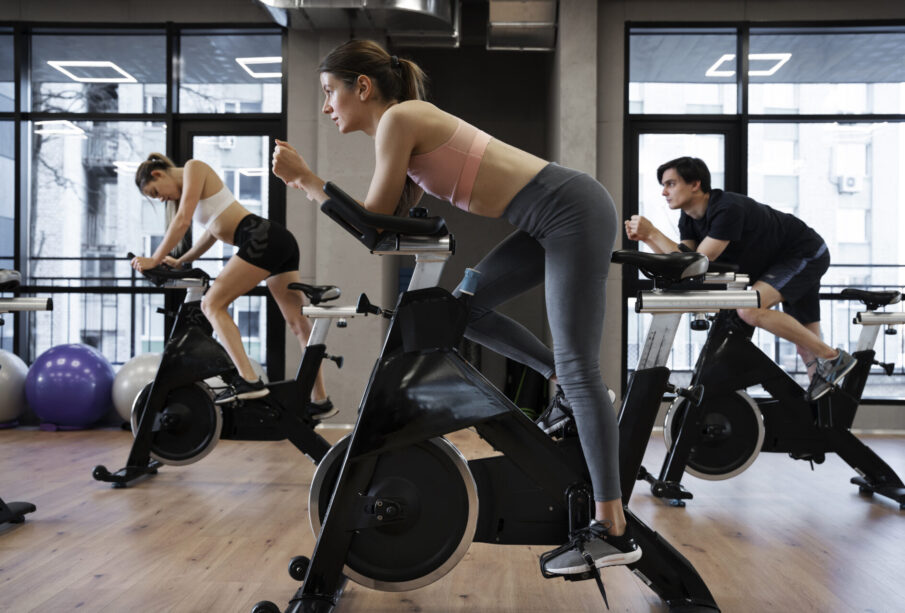
Technology has changed the way people manage health and fitness. Smart watches track movement, apps record workouts, booking systems manage classes and connected equipment can provide performance feedback. For many adults in Singapore, technology is making gym training more organised, measurable and convenient.
Choosing a modern gym singapore experience today is no longer only about physical space. It is also about how digital tools support training, consistency and progress. Technology does not replace effort, but it can make fitness habits easier to understand and maintain.
Data helps people understand progress
One of the biggest benefits of fitness technology is visibility. Many people train without knowing whether they are improving. Wearables and apps can track heart rate, steps, calories, workout duration, sleep and recovery trends.
This information helps members understand patterns. For example, someone may notice that sleep affects workout performance. Another may see that heart rate improves during cardio training. Data can make progress feel more tangible.
However, data should be used wisely. Not every number matters equally. The goal is to identify useful trends, not become stressed by every metric.
Smart watches support daily accountability
Smart watches have become common among fitness conscious adults. They remind users to move, track workouts and provide quick feedback. For people with desk based jobs, movement reminders can be especially useful.
A person may not realise how inactive they are during a workday until their device shows low step counts. This awareness can encourage small changes such as walking during breaks, taking stairs or scheduling gym sessions.
When combined with a gym routine, wearables can help people connect daily habits with structured training. Fitness becomes part of the whole day, not only one hour at the gym.
Booking systems improve convenience
Modern gym experiences often include digital booking for classes and services. This helps members plan their schedule more effectively. Instead of arriving without direction, they can reserve a class, check timings and organise their week.
For Singapore’s busy professionals, convenience matters. If booking a workout is simple, people are more likely to commit. Digital scheduling also creates accountability because the session becomes part of the day’s plan.
Convenience may not sound like a performance feature, but it strongly affects consistency. The easier a routine is to manage, the more likely it is to continue.
Connected equipment improves training awareness
Some modern fitness equipment can track speed, resistance, distance, repetitions or output. This allows members to train with more awareness. Instead of guessing effort, they can observe performance and adjust accordingly.
For cardio training, metrics such as pace, watts, cadence and heart rate can guide intensity. For strength training, tracking resistance and repetitions can help with progressive overload. Over time, these numbers can show improvement.
Technology can also help prevent undertraining or overtraining. People can see when they are working too lightly or pushing too hard too often.
Apps support planning outside the gym
Fitness apps can help people record workouts, plan routines, track food, monitor habits and review progress. For adults who like structure, this can be very useful.
An app can show what was trained last week, how weights changed or whether cardio sessions were consistent. This reduces guesswork and improves accountability.
A facility such as True Fitness Singapore can fit naturally into this connected lifestyle by offering a physical environment where digitally supported goals can be turned into real workouts.
Technology makes fitness more personalised
Not everyone has the same goal. Some want fat loss. Some want strength. Some want endurance, mobility, stress relief or better daily energy. Technology can help personalise the training experience by showing what is working and what needs adjustment.
For example, heart rate tracking may show that a person needs more moderate cardio rather than only high intensity sessions. Sleep data may suggest recovery needs improvement. Workout logs may show that strength progress has stalled.
Personalisation makes fitness more effective because decisions are based on patterns rather than assumptions.
The human element still matters
Technology is useful, but it cannot replace discipline, proper form and intelligent training. A watch can track effort, but it cannot always correct movement quality. An app can suggest a routine, but it may not understand pain, stress or lifestyle context fully.
This is why the best fitness experiences combine technology with human judgment. Members should use data as a guide while still listening to their bodies and seeking proper support when needed.
Fitness technology should make training clearer, not more confusing.
Avoiding tech overload
Some people become overwhelmed by too many metrics. They track calories, heart rate, sleep, recovery scores, steps and workout load until fitness feels stressful. This defeats the purpose.
A better approach is to choose a few meaningful metrics. For example, track workout consistency, strength progress, average daily movement and sleep quality. These provide enough insight without creating unnecessary pressure.
Technology should support consistency and confidence, not make people feel judged by numbers.
FAQ
My smart watch says I burned fewer calories than expected. Does that mean my workout was poor?
Not necessarily. Calorie estimates are not always exact. Focus on workout quality, consistency, strength progress and how your body feels. A lower calorie number does not mean the session had no value.
I book classes but often cancel because work runs late. How can technology help?
Use booking tools to plan backup options. If your evening class is risky, book an earlier session on another day or keep one flexible workout slot each week. Digital planning works best when it includes alternatives.
I track many fitness metrics and feel stressed by the numbers. What should I keep?
Keep only the metrics that guide useful action. Workout frequency, sleep quality, heart rate trends and strength progress are often more helpful than constantly checking every available number.
Can fitness apps replace a proper gym routine?
Apps can support planning and tracking, but they do not replace the equipment, environment and structure of a gym. The best results often come when digital tools support real training sessions.
Conclusion
Fitness technology is changing the modern gym experience by making training more measurable, convenient and personalised. Wearables, apps, booking systems and connected equipment can help people stay accountable and understand progress.
For adults in Singapore, the most effective approach is to combine technology with consistent effort and a supportive gym environment. When used wisely, tech does not complicate fitness. It makes better habits easier to build.